
Long Island summers feel heavy, sticky, and endless. If your attic is sweltering and your basement smells musty, you already know humidity is not your friend. The tricky part is that insulation decisions here can either relieve that mess or lock the moisture in place.
Pick the wrong material, and you can end up with mold, peeling paint, and energy bills that climb every season. Choose wisely, and your home feels calmer, cleaner, and easier to heat and cool. This guide walks through which insulation handles Long Island humidity best, and how to confirm what your home actually needs before you spend a dollar.
Why Humidity Is the Biggest Insulation Challenge on Long Island
Humidity on Long Island shows up in summer, winter, and storm season, so insulation must handle water in every form. That is why many homes struggle even after an upgrade.
How Moisture Gets Into Your Home
Warm, humid air sneaks in through tiny gaps in your attic, around rim joists, and through wall penetrations. Once inside, that air cools and leaves moisture behind in your insulation and framing.
Moisture also moves slowly as vapor through building materials, and in bigger bursts from roof leaks or poor drainage. If insulation holds that water, problems start quietly and spread over time.
When insulation traps damp air, cavities stay wet, indoor air turns stale, and mold colonies can start inside walls, where you cannot see them until damage is extensive.
Make Your Home Smarter & More Efficient
Reduce energy waste and lower your monthly bills with expert guidance. Schedule your free home efficiency consultation today.
The Cost of Ignoring Moisture Control
Mold growth affects both surfaces and the air you breathe, triggering allergies and respiratory issues. Left alone, it can also stain finishes and damage drywall.
Wet insulation slumps, compresses, and loses R-value, which means your home leaks heat and cooled air even if it looks insulated on paper.
As performance drops, your HVAC runs longer to hit the same thermostat setting, so utility bills rise while comfort goes down.
Best Insulation Types for Long Island Humidity
Some materials handle humid air and occasional dampness far better than others. The goal is to combine thermal performance, air control, and moisture control in one system.
Closed-Cell Spray Foam Insulation
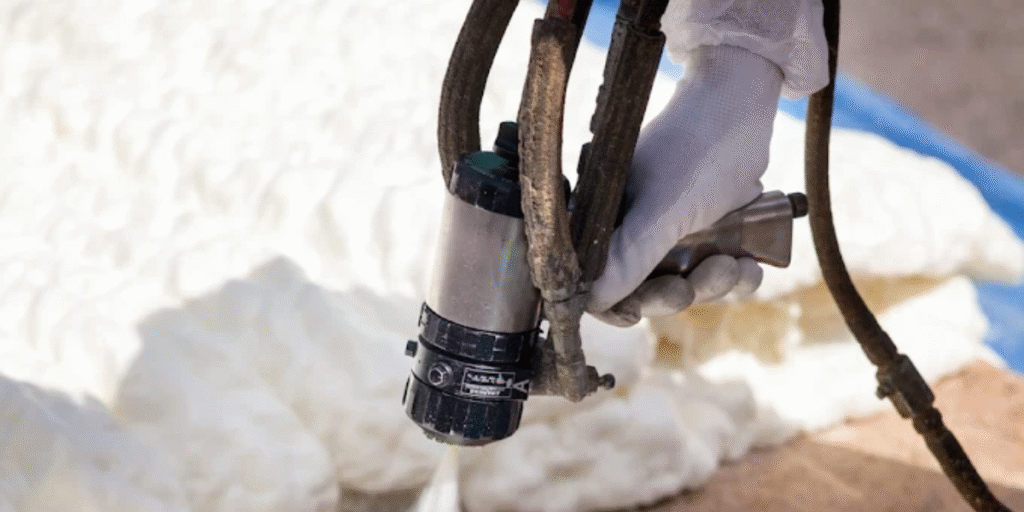
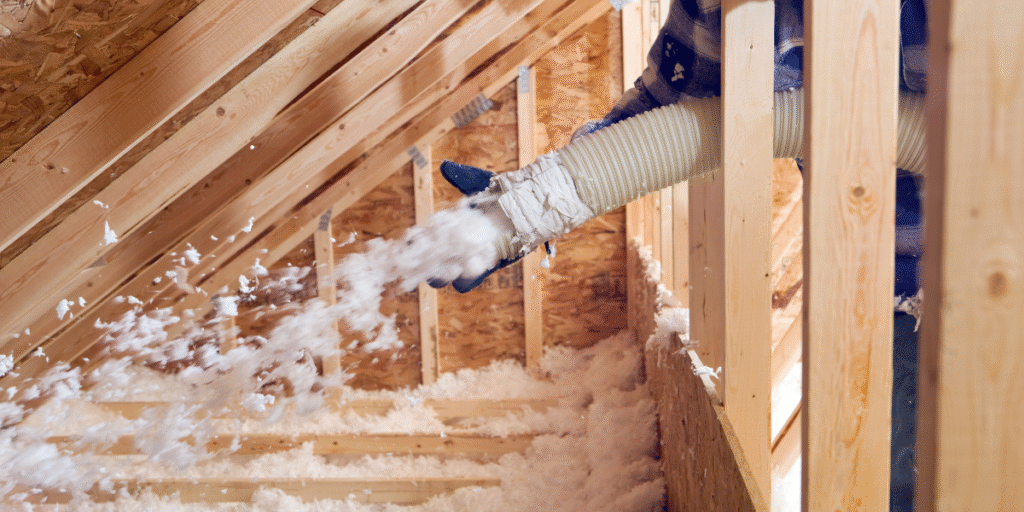
Closed-cell spray foam is often the first pick when humidity and air leaks are both major concerns. It sticks tightly to framing and sheathing, forming a dense, rigid layer.
As it expands, it blocks many of the tiny gaps that allow humid air to move into attics, crawl spaces, and rim joists. That tight seal helps reduce condensation risk on cold surfaces.
Because it resists water absorption and adds strength to assemblies, closed-cell foam suits areas that experience large temperature swings or frequent dampness.
Rigid Foam Board Insulation (Polyiso / Polyurethane)
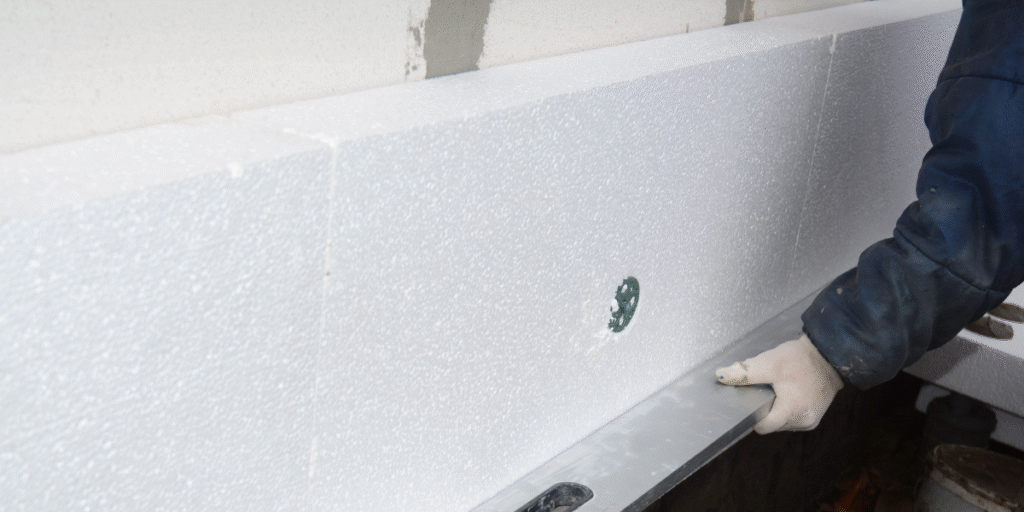
Rigid foam board provides a stable R-value and strong moisture resistance on walls, roofs, and foundations. Installed continuously, it wraps the structure in a protective shell.
By reducing thermal bridging at studs and providing a controlled surface for air and water barriers, foam board plays a key role in exterior insulation upgrades.
It works especially well on foundation walls and under siding, where soil moisture and coastal air can keep materials damp for long stretches of the year.
Fiberglass (Moisture-Resistant Batts)
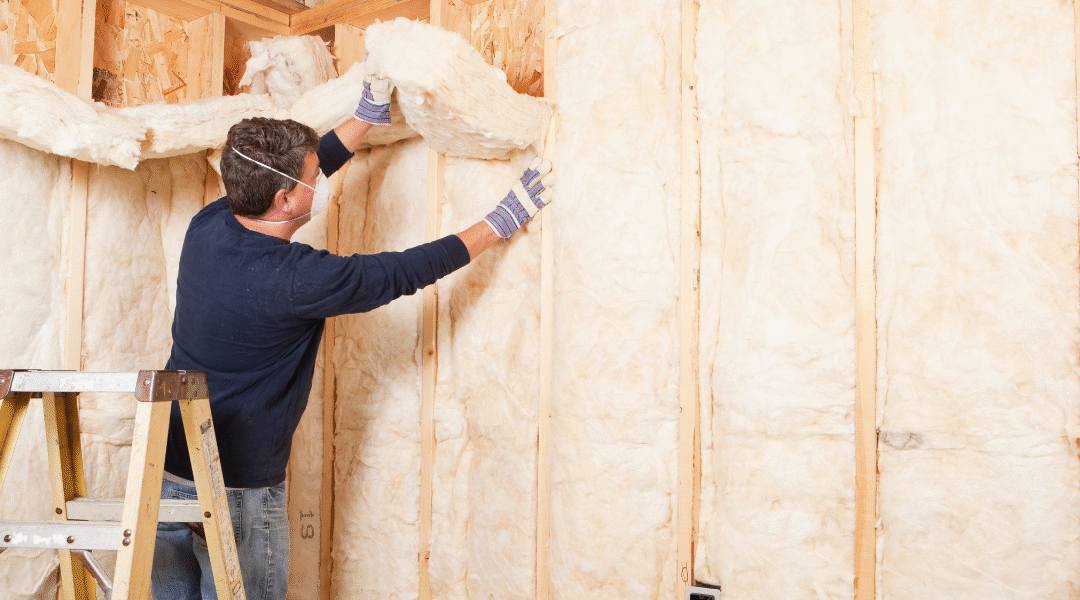
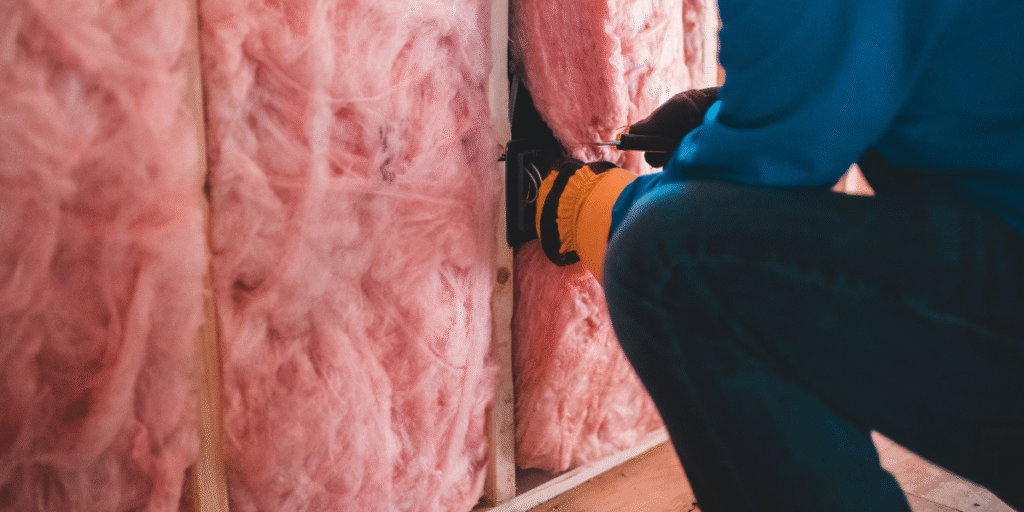
Moisture-resistant fiberglass batts remain a budget-friendly option when installed with care. They do not like to sit in standing water, but they dry faster than many cellulose products.
The real performance test is installation quality: batts must be cut to fit, with minimal gaps or compression, and paired with effective air sealing.
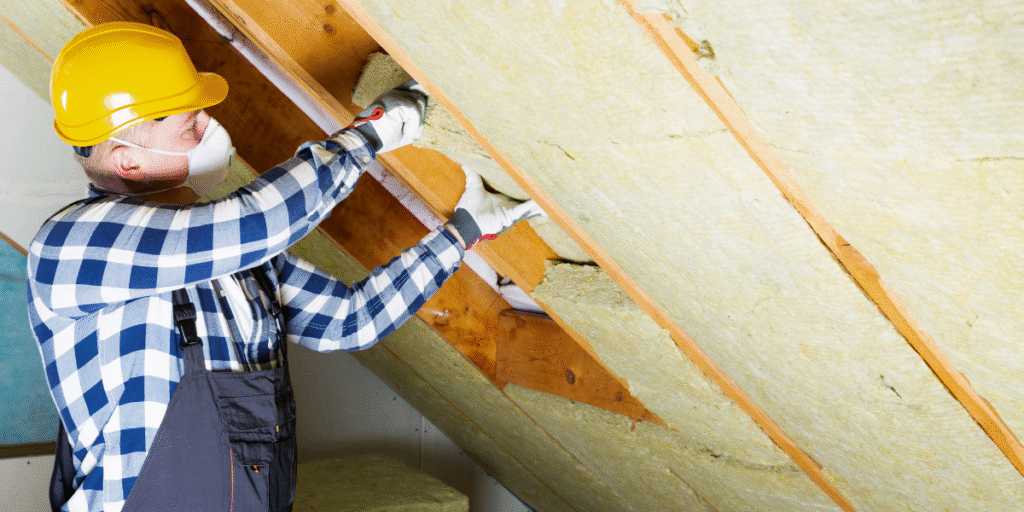
Used thoughtfully in walls and attics, fiberglass can provide solid value for homeowners who need an upgrade without full-scale reconstruction.
Make Your Home Smarter & More Efficient
Reduce energy waste and lower your monthly bills with expert guidance. Schedule your free home efficiency consultation today.
Stone Wool (Mineral Wool) Insulation
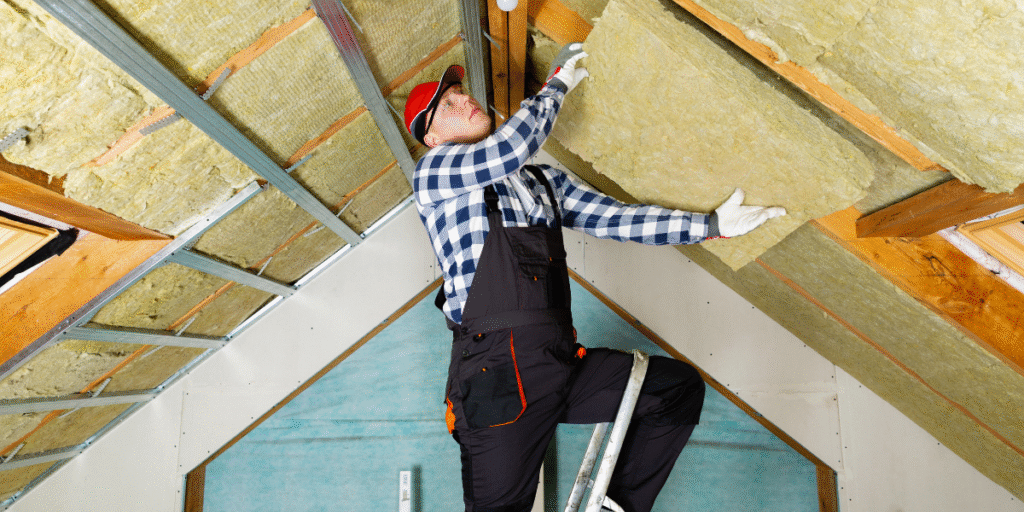
Stone wool, or mineral wool, naturally repels liquid water while staying vapor permeable, which helps assemblies dry out after minor wetting.
It holds its shape, resists pests, and offers excellent sound control, making it attractive for exterior walls and floor cavities over noisy spaces.
In Long Island’s climate, mineral wool shines in basements, exterior wall retrofits, and areas where both fire resistance and moisture resilience matter.
Insulation Types to Avoid or Use With Caution in Humid Climates
Some materials can work, but only under controlled conditions and with very careful detailing. Others simply pose too much risk in damp spaces.
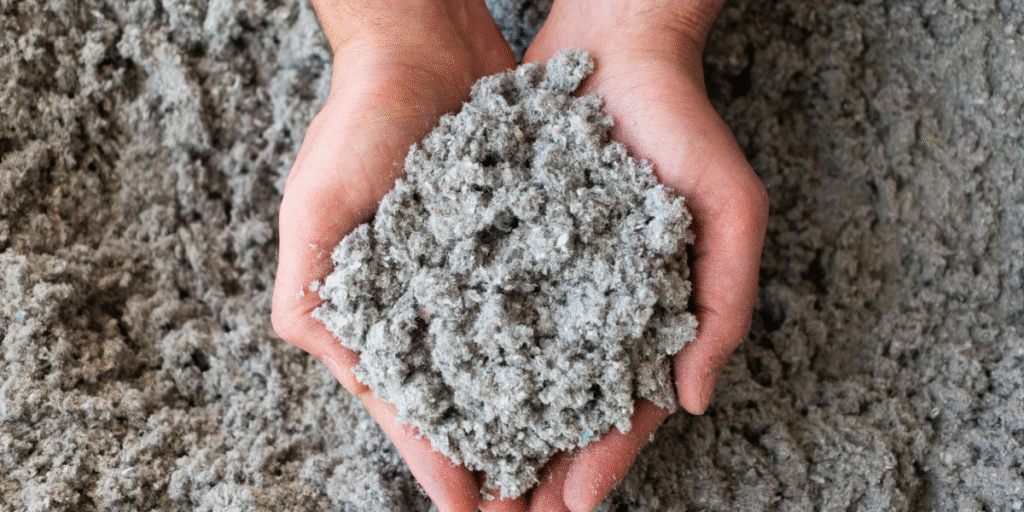
Cellulose Insulation: Balancing Benefits with Humidity Challenges
Cellulose is a highly regarded type of insulation for its eco-friendly composition, often made from recycled materials, and its excellent sound-dampening properties. When dense-packed, it offers superior air-sealing, a major benefit for overall home efficiency. This makes it a valuable choice for many home insulation projects in Long Island, where reducing drafts and noise are priorities.
How to Know If You Need New or Upgraded Insulation
Before choosing materials, it helps to understand how your home currently performs. Guessing based on comfort alone can lead to misdiagnosis.
Get a Professional Home Energy Audit
A home energy audit looks at the whole house, from attic to foundation, to pinpoint air leaks, insulation gaps, and moisture trouble spots.
Auditors often use blower doors, infrared cameras, and moisture meters to reveal hidden issues that simple visual checks miss.
The report from a home energy audit guides the right type of insulation and target R-values for each part of your home.
Visual and Sensory Warning Signs
Musty odors, staining on ceilings, or patches of visible mold often indicate that insulation and air sealing are out of balance.
Condensation on windows and exterior walls in winter suggests warm, moist air is contacting cold surfaces inside your assemblies.
Rooms that feel drafty or have cold floors, especially over garages or porches, usually point to missing insulation and uncontrolled air movement.
Make Your Home Smarter & More Efficient
Reduce energy waste and lower your monthly bills with expert guidance. Schedule your free home efficiency consultation today.
What Your Energy Bills Are Telling You
High summer electric bills paired with a constantly running AC often reveal poor attic or wall performance.
In winter, big heating bills despite moderate thermostat settings indicate that warm air is slipping out and cold air is leaking in.
If your costs spike sharply in both peak seasons, targeted upgrades recommended through professional energy efficiency services can create steady savings year after year.
Assessing Existing Insulation
You can start by lifting an attic hatch and checking insulation depth, uniformity, and signs of dampness or discoloration.
If insulation looks patchy, flattened, or darkened by dust and air leakage, it has likely lost much of its effectiveness.
An inspection as part of a home energy audit can confirm which areas should be prioritized and what type of insulation will give the best return.
R-Values Explained for Long Island’s Climate
R-value expresses resistance to heat flow, but local climate and humidity levels influence how much you actually need and where.
What R-Value Is Best for Long Island?
Building codes and energy guidelines provide ranges for attics, walls, and basements that fit Long Island’s heating and cooling needs.
These targets give a baseline, while a home energy audit tailors the recommendations based on your specific structure and existing materials.
Do I Need R-13 or R-19 Insulation?
R-13 and R-19 commonly show up in wall and floor cavities, but location and type of insulation matter as much as the number.
If humidity and air leakage remain uncontrolled, simply moving from R-13 to R-19 will not solve condensation, comfort, or mold problems.
Does Better Insulation Help With Humidity?
The right system can significantly reduce indoor moisture problems, but only when air control, drying potential, and materials work together.
How Insulation Reduces Indoor Humidity
When cavities are sealed and insulated correctly, less humid outdoor air reaches cold interior surfaces where condensation can form.
Stable temperatures around ducts and framing also help HVAC systems dehumidify more efficiently, which supports overall comfort.
Why Air Sealing Is Just as Important as Insulation
Even with high R-values, gaps around recessed lights, plumbing chases, and attic hatches allow moisture-laden air to move freely.
Sealing those pathways during home insulation installation keeps insulation drier and improves performance throughout the year.
Cost Expectations for Insulating a Long Island Home
Budget planning goes smoother when you understand both upfront pricing and long-term savings potential.
How Much Does It Cost to Insulate a 2,000 Sq Ft House?
Costs for a 2,000 square foot home vary with the type of insulation, access conditions, and whether old materials need removal.
Attics are often the most cost-effective starting point, followed by basements, crawl spaces, and walls that require more labor.
Long-Term Savings vs. Upfront Costs
Thoughtful upgrades guided by energy efficiency services and a home energy audit can cut heating and cooling bills significantly over time.
Improved comfort and quieter interiors add daily value, while a well-insulated home often attracts stronger interest when you choose to sell.
Make Your Home Smarter & More Efficient
Reduce energy waste and lower your monthly bills with expert guidance. Schedule your free home efficiency consultation today.
Rebates and Incentives for Insulation Upgrades
Local and state programs can offset a meaningful portion of your project cost when you work with qualified contractors.
Energy Efficiency Rebates and Programs
Utilities and NYSERDA offer incentives for insulation, air sealing, and HVAC upgrades verified through professional energy efficiency services.
These programs usually require documentation from a home energy audit to confirm baseline conditions and projected improvements.
Why Professional Energy Efficiency Services Matter
Experienced contractors know how to match materials, air barriers, and ventilation strategies so upgrades perform as promised.
They also handle paperwork, photos, and test results needed to qualify your home insulation installation for available rebates.
How Home Efficiency Experts Help Long Island Homeowners Get Insulation Right

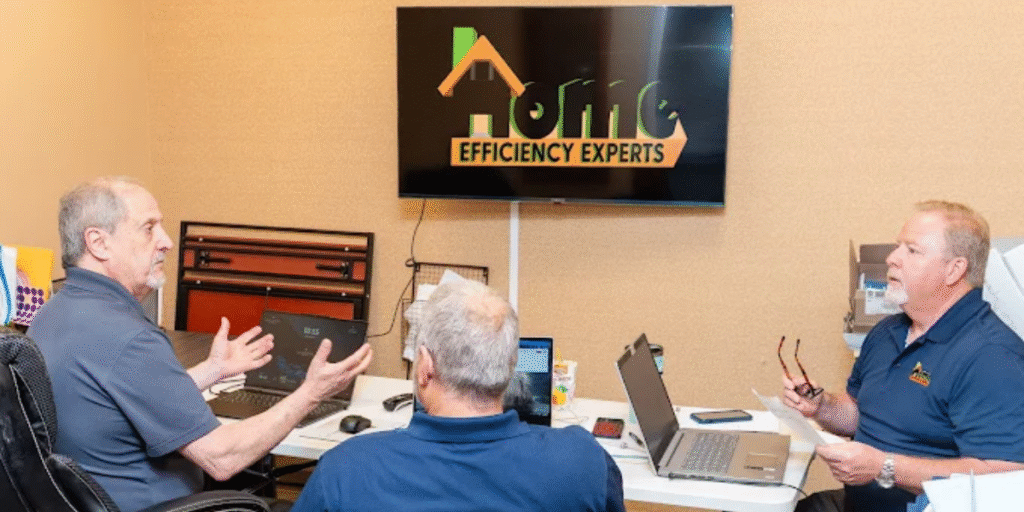
Home Efficiency Experts focus specifically on Long Island homes, local codes, and coastal weather patterns. We combine building science, diagnostics, and hands-on experience to improve comfort, health, and efficiency together.
Our Diagnostic-First Approach
Every project starts with a detailed home energy audit that captures the current condition of your building shell and mechanical systems.
Using blower-door testing, thermal imaging, and performance data, our energy efficiency services identify the root causes of drafts, hot rooms, and moisture problems.
This testing-driven approach greatly improves the odds that your home insulation Long Island upgrade solves the right problems the first time.
Tailored Insulation and Air Sealing Solutions
We recommend the type of insulation that fits your home: spray foam in key leakage zones, rigid foam for exterior or foundation work, and other materials where appropriate.
Our home insulation installation process emphasizes air sealing, targeted drying paths, and smart use of moisture-resistant insulation and mold-resistant insulation around known trouble spots.
Beyond Insulation: Whole-Home Efficiency Upgrades
When needed, we coordinate insulation with HVAC improvements so your heating and cooling equipment and building shell work as one system.
These combined energy efficiency services often create larger comfort gains and stronger long-term savings than single-measure projects.
Helping You Access Rebates and Incentives
We guide you through rebate options from programs such as PSEG Long Island and NYSERDA.
Our team structures your home energy audit and documentation so your home insulation Long Island project qualifies for the best possible incentives.
Conclusion
Picking the right type of insulation for Long Island humidity comes down to moisture control, air sealing, and verified performance, not guesswork. A data-driven home energy audit combined with smart use of moisture-resistant insulation, mold-resistant insulation, and high-quality home insulation installation creates a drier, healthier, and more comfortable home.
Ready to feel the difference in your own house? Contact Home Efficiency Experts for professional energy efficiency services and a comprehensive home energy audit that puts a clear plan in your hands. Start your home insulation Long Island upgrade with a partner who treats your comfort and health as the top priority.