

If you live in Nassau or Suffolk, you probably have that one room that never feels right. It freezes in February, swelters in July, and drives you to the thermostat as it owes you rent. The good news is comfort problems are solvable once you stop guessing and start testing. A home energy audit brings building science into your home, turning vague hunches into a precise fix list. With a household energy assessment, you can pinpoint the root cause, prioritize solutions, and get back to enjoying every room in your house. For those considering a home energy audit in Long Island, this guide shows how it works and why it pays off.
Why Does My Long Island Home Have One Room That’s Always Too Hot or Too Cold?
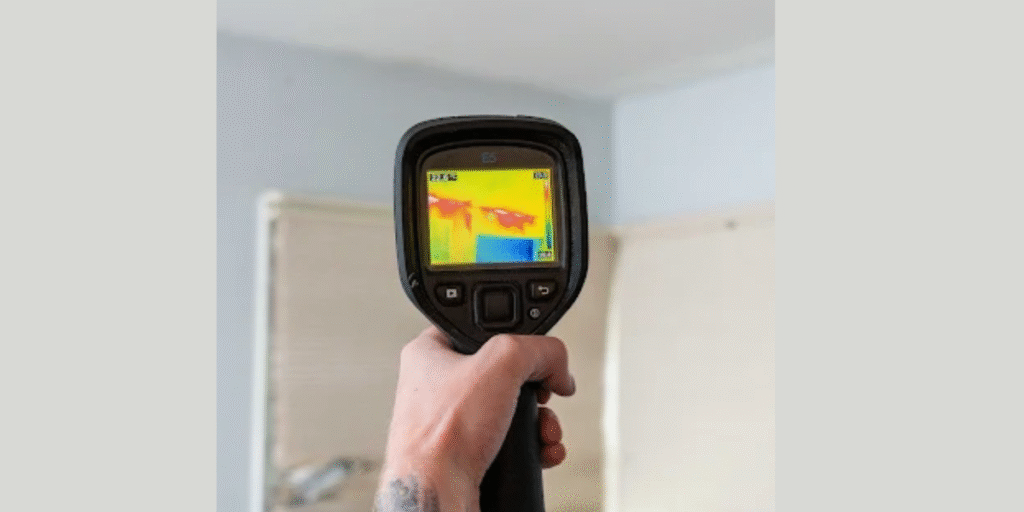
Uneven temperatures are a symptom of underlying building performance problems. An energy audit translates comfort complaints into measurable data that reveals where the building is leaking, lacking, or misaligned.
The “problem room” every homeowner recognizes
A bonus room over the garage that turns into a walk-in fridge, a south-facing bedroom that bakes by mid-afternoon, a drafty den that never settles. These spaces often sit over unconditioned areas or take heavy sun, which magnifies insulation issues and airflow problems. With a targeted home energy audit in Long Island, you get evidence, not guesses, for what your space needs.
Why this isn’t just an “old house quirk.”
Persistent hot and cold rooms usually point to hidden energy losses. A professional energy audit or household energy assessment documents the problems and connects them to corrective insulation services and air sealing. The result is a plan that addresses root causes instead of masking symptoms with more runtime.
Make Your Home Smarter & More Efficient
Reduce energy waste and lower your monthly bills with expert guidance. Schedule your free home efficiency consultation today.
How Long Island’s climate and housing stock make it worse.
Cold, windy winters and humid summers in Nassau and Suffolk amplify any insulation issues or airflow problems. Common local home types, from capes with knee walls to split-levels with rooms over garages, have predictable weak spots. A home energy audit, Long Island, accounts for these patterns and targets the assemblies most likely to cause discomfort.
How a Home Energy Audit Reveals What’s Wrong With That One Room

A home energy audit uses diagnostic tools to find where comfort and energy are being lost. An energy inspector interprets the data and aligns it with practical solutions that work for your layout and climate.
Infrared thermal imaging: seeing hidden insulation gaps and drafts
Thermal cameras visualize heat movement, revealing hot and cold patterns on walls, ceilings, and floors. This highlights insulation issues like thin coverage, voids, or settling. During a household energy assessment, these images guide targeted sealing and insulation services that stabilize that room’s temperature.
Blower door test: finding hidden air leaks (drafts)

A calibrated fan depressurizes the home to exaggerate leakage, which exposes cracks and gaps you cannot see. The energy inspector measures total leakage and traces draft paths at windows, doors, outlets, attic hatches, and ducts. This data-driven energy audit step shows where unconditioned air is entering and conditioned air is escaping.
Make Your Home Smarter & More Efficient
Reduce energy waste and lower your monthly bills with expert guidance. Schedule your free home efficiency consultation today.
Ductwork inspection: airflow problems in that one room
Auditors check for leaks, crushed sections, blockages, and layout flaws that reduce supply to distant rooms. Unbalanced or restricted ducts can starve a bedroom while others get plenty. The findings often point to home efficiency services like duct sealing, balancing, or light redesign, supported by an energy audit Long Island report.
HVAC assessment: sizing, performance, and distribution
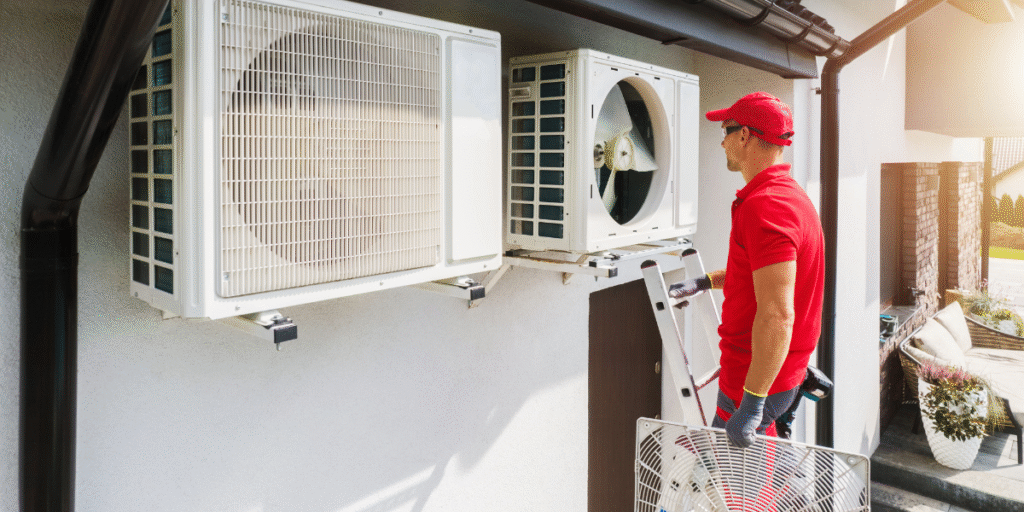
Auditors evaluate whether equipment is correctly sized and delivering air where it is needed. They look for dirty filters, closed or mis-set dampers, and poor thermostat placement that aggravate airflow problems. The home energy audit approach aligns HVAC performance with the building envelope for consistent room-to-room comfort.
Common Culprits for Uneven Temperatures in Long Island Homes
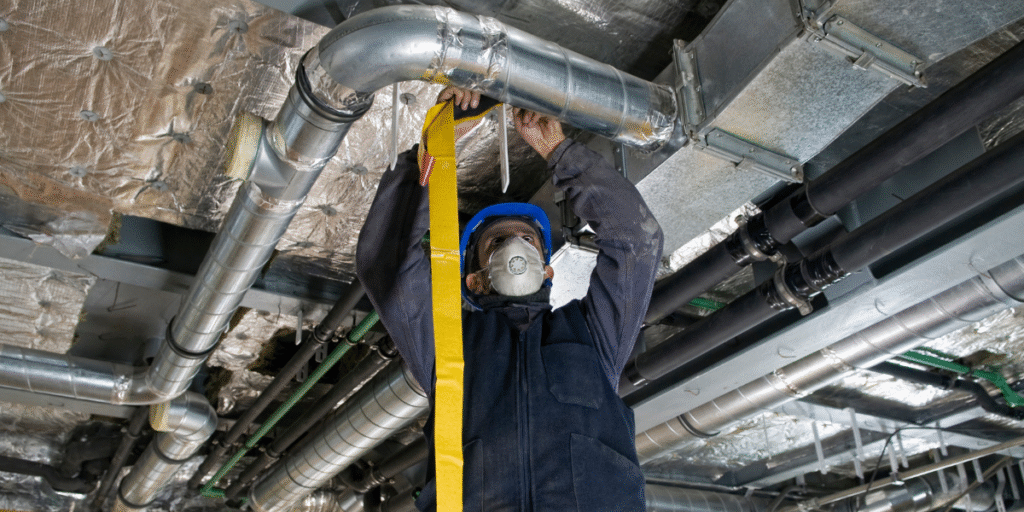
Most problem rooms have a combination of shell and distribution faults. A home energy audit, Long Island, identifies how much each factor contributes and ranks the fixes by impact.
Poor or missing insulation
Attics, knee walls, floors over garages, and cathedral ceilings are frequent trouble spots. These assemblies can have voids, compression, or thin coverage that accelerate heat loss or gain. The household energy assessment uses thermal imaging to expose insulation issues, then prescribes insulation services that target the exact deficiency.
Air leaks and drafts
Cracks around windows, doors, top plates, chimneys, plumbing penetrations, and attic hatches create constant infiltration. The energy audit quantifies leakage and connects it to cold spots, especially in older Long Island homes. With the energy inspector mapping leaks, sealing becomes strategic and effective.
Make Your Home Smarter & More Efficient
Reduce energy waste and lower your monthly bills with expert guidance. Schedule your free home efficiency consultation today.
Duct issues and blocked vents
Kinked, leaky, or undersized runs reduce airflow to specific rooms. Furniture or rugs can inadvertently block supply or return paths. Reports frequently recommend home efficiency services like duct sealing and balancing, a common prescription in an energy audit Long Island plan that restores design airflow.
HVAC imbalance and system problems
Closed vents elsewhere, clogged filters, or wrongly sized equipment can create pressure imbalances. Even new units struggle if distribution or shell flaws persist. A household energy assessment ties airflow problems to fixes that go beyond the equipment, guided by the home energy audit findings.
Step-by-Step: What Happens During a Home Energy Audit on Long Island?
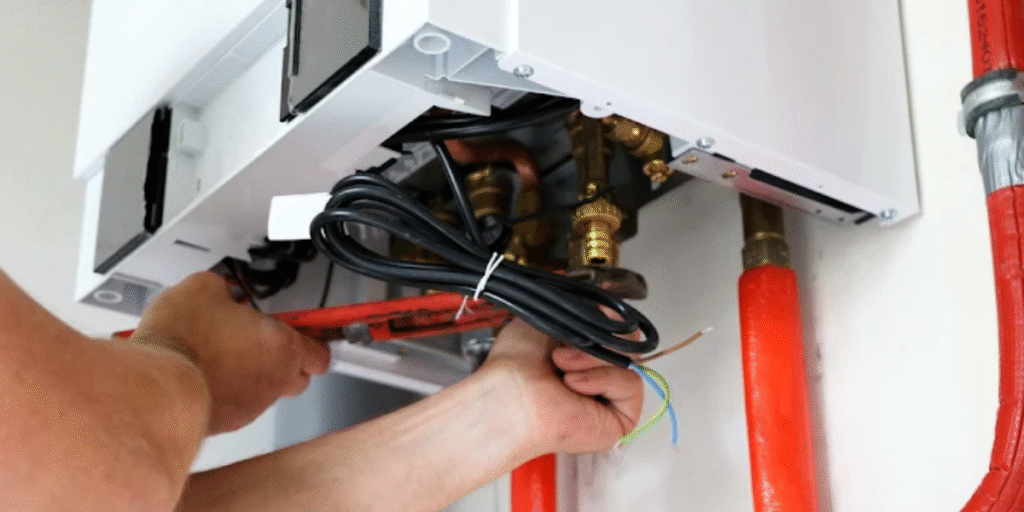
Knowing the process eliminates guesswork and speeds decisions. An energy audit on Long Island follows a clear path from interview to diagnostics to a prioritized plan.
Pre-audit call and comfort interview
Your energy inspector asks where the worst room is, when it misbehaves, and how long the issue has persisted. This context shapes the household energy assessment and helps connect patterns to insulation issues or airflow problems. Sharing utility history adds valuable clues.
Make Your Home Smarter & More Efficient
Reduce energy waste and lower your monthly bills with expert guidance. Schedule your free home efficiency consultation today.
Detailed walkthrough of your home
The audit covers the attic, basement, crawlspace, over-garage rooms, and the problem room itself. During the home energy audit, the energy inspector reviews insulation levels, ventilation, moisture signs, and visible gaps. These observations frame the scope of insulation services and sealing.
Diagnostic testing and data collection
The energy audit includes blower door testing to measure leakage and locate draft points. Thermal imaging identifies hidden voids and air paths that drive room-to-room swings. Duct leakage testing and airflow readings confirm whether the home energy audit Long Island should prioritize duct sealing or balancing.
Your personalized household energy assessment report
You receive a sequenced plan with the highest-impact improvements at the top. The household energy assessment translates findings into targeted insulation services, air sealing, duct upgrades, HVAC tuning or right-sizing, and controls. Each line item ties to comfort outcomes and estimated savings from home efficiency services.
From Audit Results to Real-World Fixes for That One Room
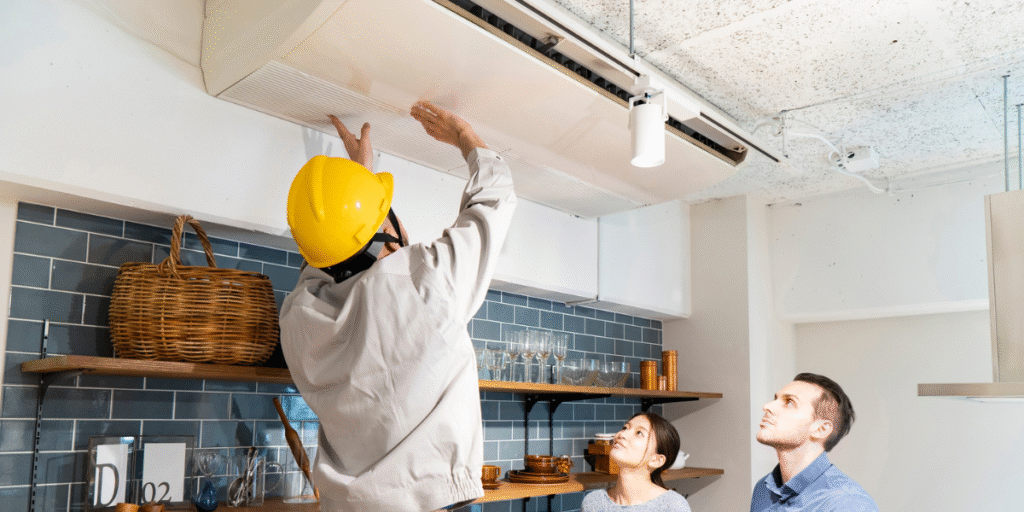
Diagnostics only matter when they lead to action. A home energy audit builds the case for specific fixes, so your budget focuses on results that last.
Targeted air sealing and insulation upgrades
Sealing top plates, rim joists, attic hatches, and penetrations controls uncontrolled air movement. Then, add or correct insulation in attics, knee walls, floors over garages, and problem walls. The household energy assessment directs insulation services at the assemblies causing the biggest insulation issues, turning drafts into steady comfort.
Duct sealing, balancing, and possible redesign
Technicians seal leaky joints, repair crushed runs, and adjust dampers to restore design airflow. Where needed, resizing or adding returns improves supply and return balance. These home efficiency services directly solve airflow problems, a fix commonly triggered by an energy audit report.
HVAC tuning, repairs, or right-sized replacements
Basic maintenance like filter changes, thermostat corrections, and minor repairs can remove bottlenecks. After shell and duct improvements, sizing can be revisited using energy audit Long Island data. The energy inspector matches capacity to the tightened home, so the home energy audit translates into consistent comfort.
Controls, zoning, and room-specific solutions
Zoning and smart thermostats fine-tune delivery once the envelope and ducts are addressed. A ductless unit can help rooms without disturbing the whole system. These home efficiency services complement the structural corrections identified in the household energy assessment, particularly for lingering airflow problems.
Long-Term Benefits: Comfort, Savings, Health, and Home Value

Fixing the root causes pays you back every single day. A precise home energy audit leads to upgrades that feel better, cost less to run, and last longer.
Every day comfort and consistent temperatures
Room-to-room temperatures level out across seasons, reducing the need for space heaters or fans. The energy audit harmonizes the building shell with HVAC delivery, addressing insulation issues and airflow problems in the right order. Comfort becomes the default, not the exception.
Lower energy bills and better efficiency
Shorter runtimes and steadier operation follow air sealing, insulation, and duct improvements. A home energy audit, Long Island, helps you prioritize the highest ROI steps first. Strategic insulation services and targeted home efficiency services lower bills while trimming your carbon footprint.
Make Your Home Smarter & More Efficient
Reduce energy waste and lower your monthly bills with expert guidance. Schedule your free home efficiency consultation today.
Healthier indoor air and fewer drafts
Sealing uncontrolled pathways reduces dust movement and helps stabilize humidity. The household energy assessment often includes ventilation recommendations to maintain fresh air. An energy inspector can specify balanced solutions that support clean, healthy indoor air.
Increased home value and marketability
Documented performance upgrades matter to buyers who want comfort and predictable costs. A professional energy audit and home energy audit record the improvements along with expected savings. Verified insulation services and air sealing add appeal during a sale.
Rebates, Incentives, and Financing for Long Island Energy Upgrades
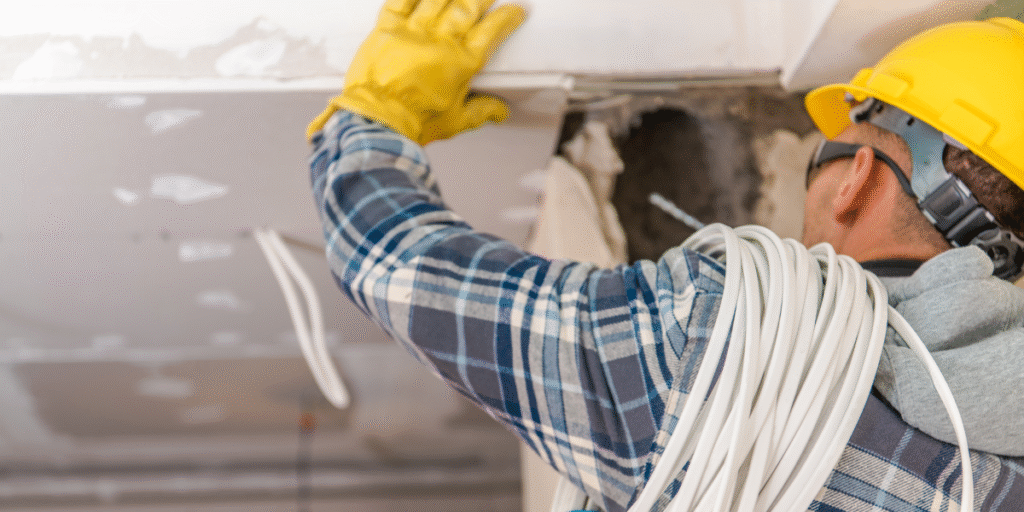
Upgrading does not have to strain your budget. A home energy audit, Long Island, or energy audit Long Island often qualifies you for rebates that reduce upfront costs.
Rebates for audits, insulation, air sealing, and HVAC
Local programs commonly subsidize the home energy audit and offer incentives for air sealing, insulation services, duct sealing, and efficient HVAC. Packaging diagnostics with home efficiency services helps capture the maximum benefit. Your audit results provide the documentation programs require.
Make Your Home Smarter & More Efficient
Reduce energy waste and lower your monthly bills with expert guidance. Schedule your free home efficiency consultation today.
Financing options and on-bill repayment
Low-interest loans and on-bill repayment let you spread costs across time. An energy audit organizes the work into sensible phases to match your cash flow. Pair the plan with home efficiency services from qualified contractors, guided by your energy audit Long Island roadmap.
Why starting with the audit matters for incentives
Many incentives depend on an energy inspector documenting savings potential upfront. The household energy assessment creates a prioritized scope that aligns with program rules. Beginning with a home energy audit, Long Island helps you avoid leaving valuable dollars and comfort on the table.
Why Long Island Homeowners Trust Home Efficiency Experts to Fix Hot and Cold Rooms
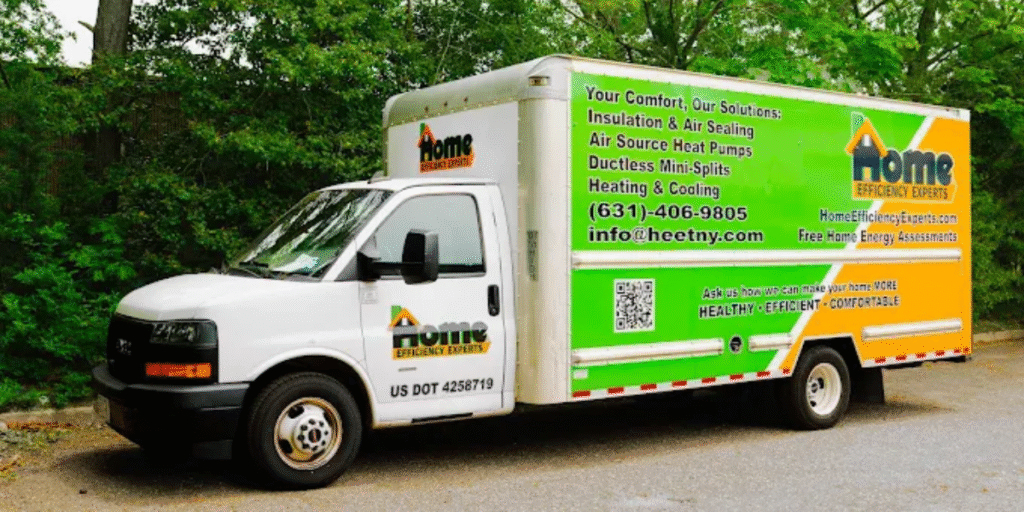
Choosing specialists who test first and prescribe second is key. With a home energy audit and energy audit Long Island, Home Efficiency Experts applies advanced diagnostics and practical know-how to fix uneven temperatures for good.
Our free home energy assessment gives you a clear, actionable roadmap.
You receive a comprehensive household energy assessment focused on your comfort concerns. The energy inspector documents insulation issues, leakage points, and airflow problems, then prioritizes a plan that fits your goals and budget. Clarity replaces trial and error.
We deliver the upgrades that make every room more comfortable.
Our team installs cellulose, spray foam, and board insulation, and performs whole-home air sealing. We also upgrade HVAC systems, including heat pumps, mini-splits, furnaces, and ACs. These coordinated home efficiency services and insulation services stabilize temperatures and reduce drafts.
We help you maximize PSEG Long Island rebates.
We guide you through incentives connected to your home energy audit, Long Island, or energy audit, Long Island. With program knowledge and documentation, home efficiency services become more affordable, and projects move faster from plan to completion.
Next Steps: Ready to Stop Fighting With That One Room?
Taking action is straightforward once you have a plan. Start with diagnostics, then move through the highest-impact fixes first.
Gather your comfort notes and bills.
List the rooms that misbehave, the times they do, and what you feel. Share 12 to 24 months of utility bills to round out the household energy assessment. This helps the energy inspector connect patterns to insulation issues or airflow problems.
Schedule a professional home energy audit on Long Island.
Book a home energy audit Long Island or energy audit Long Island with a qualified team that uses testing, not hunches. The resulting plan maps home efficiency services to your comfort goals with cost and impact in mind.
Ready for solutions that stick? Schedule your free household energy assessment with Home Efficiency Experts and turn diagnostics into comfort.
Turn your report into a phased upgrade plan.
Start with air sealing and insulation services, then address ducts, then revisit HVAC and controls. This home energy audit sequence resolves airflow problems and locks in savings, building lasting comfort step by step.
Common Questions About Hot and Cold Rooms in Long Island Homes
Clear answers help translate symptoms into solutions. These quick explanations connect everyday problems to the diagnostics that fix them.
Why is one room in the house colder than others?
- It’s usually a mix of thin insulation, air leaks, or weak duct airflow to that room. We diagnose the cause with thermal imaging, blower door testing, and airflow readings, then we seal leaks, add targeted insulation, and balance ducts.
Why does one room in my house always get hot?
- Solar gain from big windows, poor shading, and inadequate insulation or airflow often spikes temperatures. We identify hot spots, improve sealing and insulation, optimize duct delivery, and recommend shading or glass upgrades where needed.
How do you fix one room that is hotter than others?
- Clear supply and return paths, adjust dampers, and then address insulation and air sealing before duct balancing. We handle the full sequence for you, from testing to sealing to duct tuning, so the room holds steady without constant tinkering.
Why is my upstairs always hot even with AC on (Experts Reveal Why and How to Fix It)?
- Stack effect, long duct runs, attic heat, and insulation gaps keep upstairs rooms warmer. We test attic insulation and duct leakage, seal and insulate the top of the house, and right-size or tune equipment for even upstairs cooling.
How to fix the temperature difference between rooms?
- Follow a whole-house plan: audit, seal and insulate, correct duct airflow, then fine-tune HVAC and controls. We create a prioritized roadmap, complete the upgrades in phases, and verify results so every room lands in the comfort zone.