
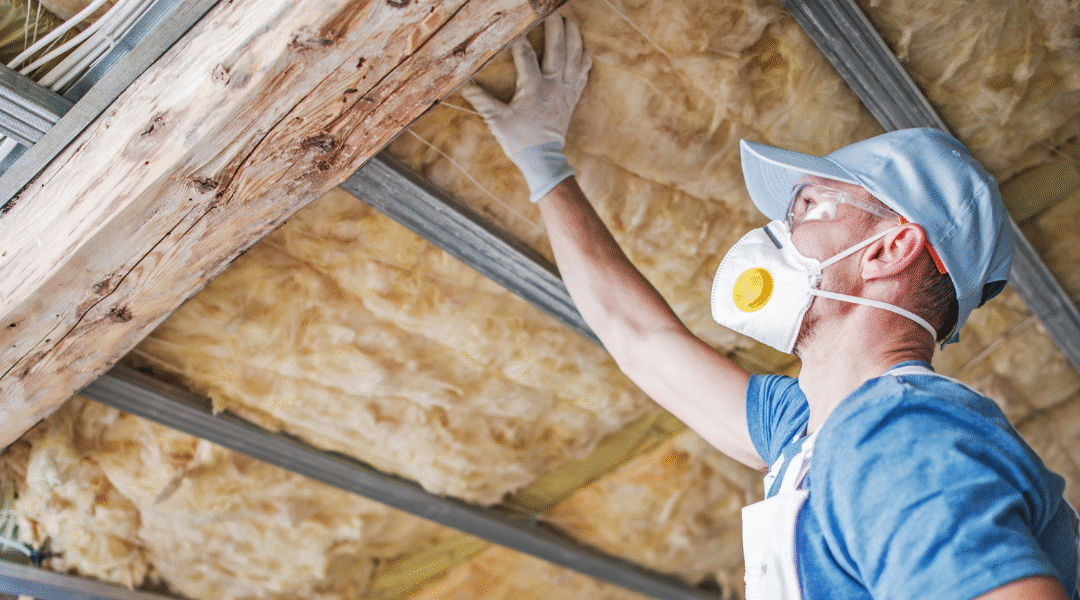
Long Island homes battle salty air, humid summers, and icy winters, conditions that punish comfort and efficiency. By following insulation trends and applying practical insulation techniques, you can cut drafts and stabilize room temperatures. Selecting energy-efficient insulation, such as spray foam insulation, blown-in cellulose insulation, or foam board insulation, multiplies results. Throughout this guide, an insulation materials comparison shows what works best, while attic insulation techniques and expert insulation installation drive lasting performance.
What’s Driving Today’s Insulation Trends on Long Island
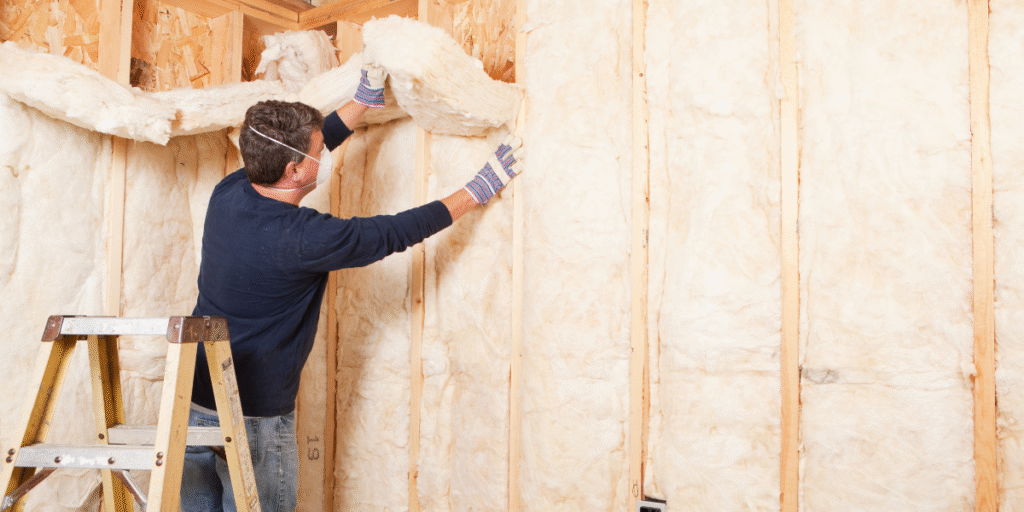
Extreme temperature swings and a large stock of older homes are pushing performance-focused upgrades. Local insulation trends prioritize tight air control, moisture management, and energy-efficient insulation that holds up to coastal conditions.
Rising Local Energy Costs & Demand for Efficiency
Utility rates continue climbing, so homeowners want energy-efficient insulation that delivers measurable savings. A practical insulation materials comparison helps balance performance with insulation installation cost for the best payback. Better air control reduces equipment runtime, and modern insulation techniques support longer HVAC lifespans.
Addressing Persistent Problems—Drafts, Cold Floors & Hot/Cold Rooms
Many homes have thin or uneven attic insulation and leaky crawlspaces that feed drafts. Targeted attic insulation techniques combined with air sealing fix hidden bypasses that steal heat. Whole-home strategies built on modern insulation techniques stabilize room-to-room temperatures through smarter insulation installation.
Make Your Home Smarter & More Efficient
Reduce energy waste and lower your monthly bills with expert guidance. Schedule your free home efficiency consultation today.
Growing Interest in Healthier, More Comfortable Indoor Environments
Coastal humidity and seasonal swings raise concerns about allergens and microbial growth. Insulation trends emphasize materials that manage moisture while delivering energy-efficient insulation benefits. Thoughtful insulation techniques reduce condensation risks and support consistently clean indoor air.
Rebates, Incentives & Energy-Efficiency Programs in NY
Financial incentives lower insulation installation costs, opening the door to higher-performance upgrades. Many programs reward energy-efficient insulation and comprehensive air sealing approaches. With professional testing and planning, insulation installation can qualify for better rebates and long-term savings.
Latest Trends in Insulation Materials
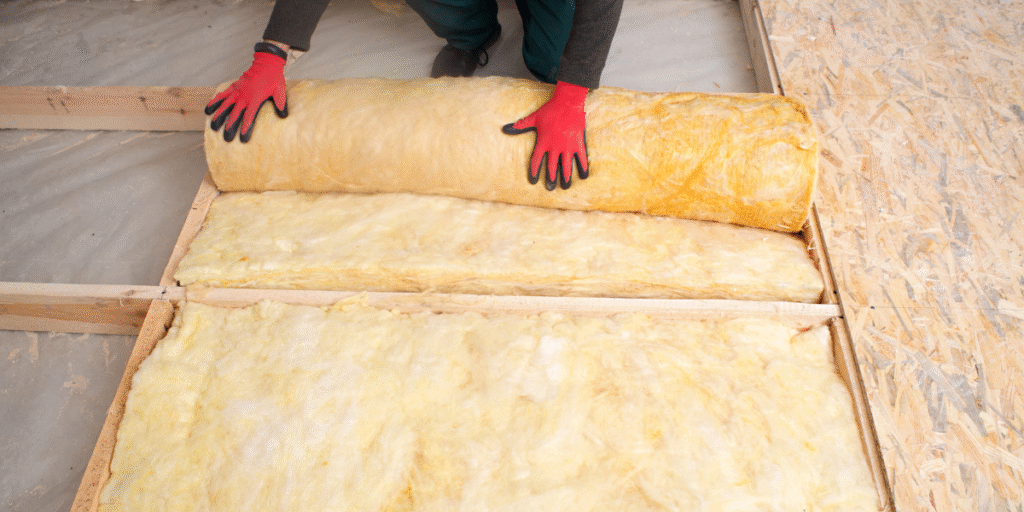
New materials achieve higher R-values in less space while improving air and moisture control. Use an insulation materials comparison to match performance with budget and application.
Vacuum Insulation Panels (VIPs) – Ultra-Thin, Ultra-High Performance
VIPs deliver exceptional thermal resistance where space is tight, such as built-ins or historic details. In any insulation materials comparison, they rank near the top for R per inch. Current insulation trends favor pairing VIPs with air and vapor controls for stable results. Skilled insulation installation is essential to protect panels from puncture.
Smart Insulation with IoT Sensors
Embedded sensors track temperature, humidity, and hidden air leaks inside assemblies. Data-driven insulation techniques help identify failures early, reducing costly repairs. These systems align with insulation trends that value monitoring and adaptive control. They also complement energy-efficient insulation strategies for resilient performance.
Improved Mineral Wool
Modern mineral wool offers density, fire resistance, and sound control for walls and attics. In an insulation materials comparison, it performs well in coastal and damp areas. It suits exterior wall insulation and attic insulation, especially where vapor openness matters. Combined with smart insulation techniques, it provides consistent results through seasonal shifts.
Make Your Home Smarter & More Efficient
Reduce energy waste and lower your monthly bills with expert guidance. Schedule your free home efficiency consultation today.
Closed-Cell Spray Foam Insulation
Closed-cell spray foam insulation insulates and air-seals in one step with high R per inch. It shines in crawlspaces and rooflines where space is limited and moisture control matters. Many insulation trends highlight it for storm resilience and rigidity. Proper insulation installation yields a durable, continuous thermal and air barrier.
Natural & Sustainable Materials (Cellulose, Wood Fiber, Hemp)
Dense-pack or blown-in cellulose insulation delivers excellent coverage in existing walls and attics. It fits attic insulation and exterior wall insulation retrofits with minimal disruption. A balanced insulation materials comparison often places cellulose as a strong value choice. With moisture-smart insulation techniques, it can be both ecological and high performing.
Latest Insulation Techniques & Installation Methods
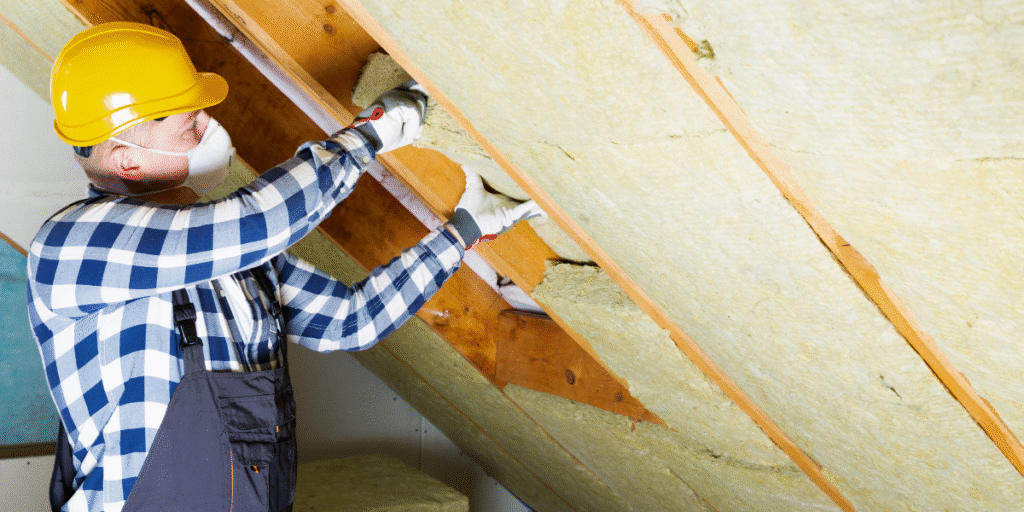
Technique quality determines real-world performance. Current insulation trends pair advanced materials with precise insulation installation to deliver stable, energy-efficient insulation benefits.
Thin-Layer Insulation Systems
Slim-profile systems excel in renovations that cannot spare depth. An insulation materials comparison helps decide between VIPs, foams, and mineral wool. These insulation techniques support clean lines while maintaining R-value. When detailed well, they preserve interior space and comfort.
Continuous Insulation to Eliminate Thermal Bridging
Continuous layers minimize heat loss through studs and framing. Rigid foam board insulation or mineral wool boards often suit exterior wall insulation upgrades. These insulation techniques reduce cold spots that make rooms feel drafty. Professional insulation installation tightens the envelope without trapping moisture.
Make Your Home Smarter & More Efficient
Reduce energy waste and lower your monthly bills with expert guidance. Schedule your free home efficiency consultation today.
Advanced Spray Foam Application
Roofline sealing creates a conditioned attic that boosts comfort and air quality. This approach integrates spray foam insulation with targeted attic insulation techniques for reliable performance. It also benefits crawlspaces where air and moisture pressures are high. The result is steady temperatures that support energy-efficient insulation goals.
Insulated Concrete Forms (ICFs)
ICFs combine structure and insulation for quiet, steady interiors. They are especially effective for additions and basement insulation upgrades. With robust insulation techniques, ICFs deliver exceptional thermal continuity. They also simplify insulation installation by integrating materials in one system.
Integrated System Designs
Coordination across insulation, air, and vapor control yields the best results. These insulation techniques protect assemblies through seasonal moisture swings. When paired with energy-efficient insulation, homes maintain stable comfort at lower loads. A careful insulation materials guides choices for each layer.
Air Sealing as a Required Companion to Insulation
Air control determines how well insulation performs over time. Strategic insulation techniques use gaskets, tapes, and sealants to stop leaks. This supports energy-efficient insulation by preventing bypasses that flatten the R-value. The right sequencing during insulation installation captures the full benefit.
Key Considerations in Modern Insulation Decisions
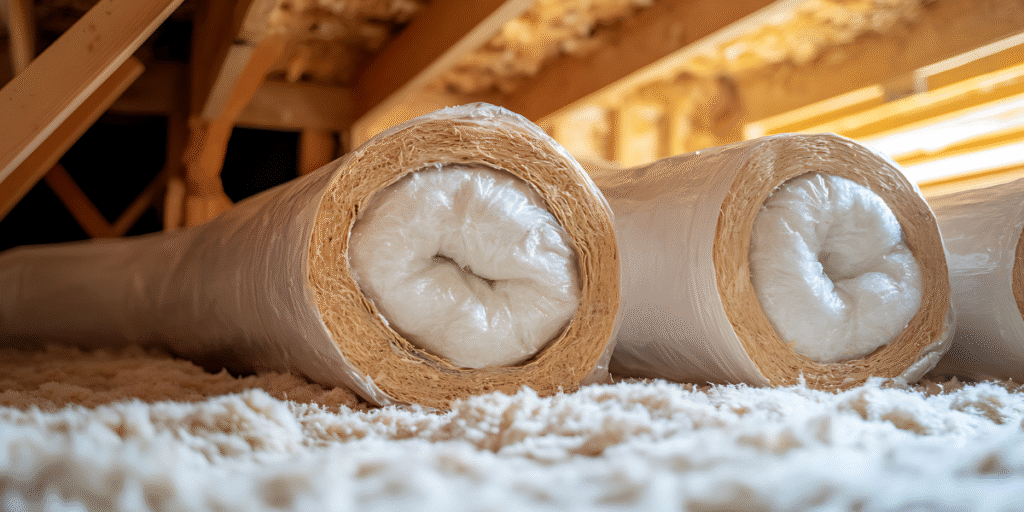
Smart planning blends performance, cost, and durability. A clear insulation materials comparison and a realistic view of insulation installation cost set expectations.
Airtightness
Air tightness usually beats raw R-value for comfort and consistency. Testing pinpoints leakage that undermines energy-efficient insulation. Field-proven insulation techniques close gaps without trapping moisture. Good insulation installation follows a test, seal, then insulate workflow.
Moisture Resistance & Vapor Management
Moisture can compress insulation and create health issues. Closed-cell spray foam insulation and mineral wool often suit damp zones. Thoughtful insulation techniques place vapor controls where they will protect assemblies. These steps keep energy-efficient insulation performing through humid summers and cold snaps.
R-Value & True Performance
Label R-values assume ideal installation and zero air movement. Real results come from detailing, dense packing, and continuous layers. A practical insulation materials comparison highlights how materials respond to wind and humidity. Combining spray foam insulation with targeted layers locks in thermal continuity.
Make Your Home Smarter & More Efficient
Reduce energy waste and lower your monthly bills with expert guidance. Schedule your free home efficiency consultation today.
Life-Cycle Costs
Upfront choices influence decades of comfort and savings. A realistic view of insulation installation cost balances budget and durability. Investments in energy-efficient insulation reduce runtime and repairs over time. Standardized insulation installation methods protect long-term value.
Quality Control During Insulation Installation
Field verification confirms you are getting what you paid for. Professional insulation installation checks depth, density, and continuity. Documented insulation techniques prevent gaps, settling, and thermal bridges. Thermal imaging validates performance under real conditions.
Area-by-Area Breakdown of Insulation Needs in Long Island Homes
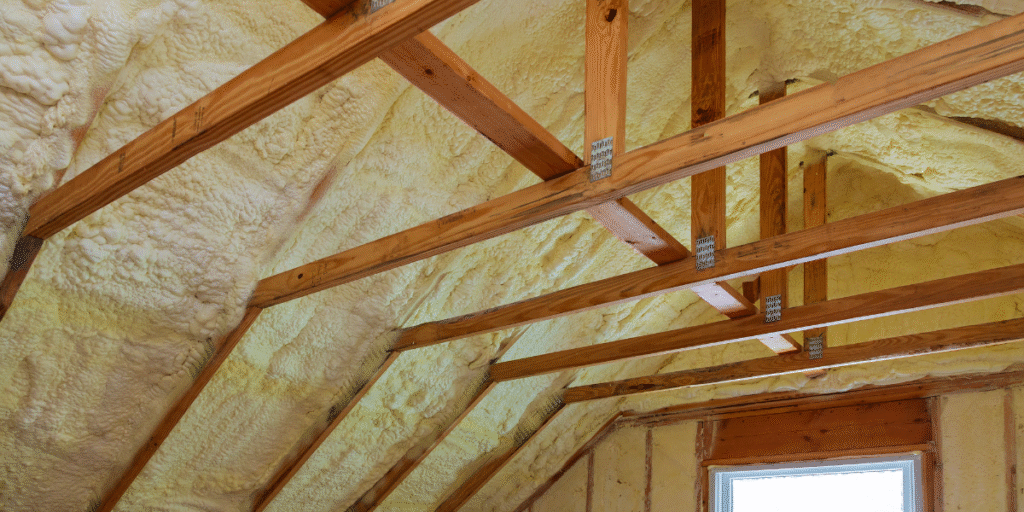
Different parts of the home leak heat in different ways. Map solutions to the location for better results and simpler maintenance.
Attic Insulation
The attic is often the largest source of heat loss in older homes. Upgrades might combine blown-in cellulose insulation with air sealing for full coverage. Roofline spray foam insulation can transform storage attics into a conditioned space. Choose attic insulation techniques that address ventilation and eave bypasses.
Exterior Wall Insulation
Older walls may lack insulation or have degraded materials. Dense-pack blown-in cellulose insulation boosts comfort without major demolition. Adding foam board insulation outside supports continuous exterior wall insulation. A thorough insulation material guides the best path for each façade.
Crawlspace Insulation
Crawlspaces feed cold floors, odors, and humidity into living areas. Closed-cell spray foam insulation often suits crawlspace insulation because it blocks moisture and air. Sealed liners and targeted drainage complete the system. These insulation techniques keep wood dry and floors warm.
Make Your Home Smarter & More Efficient
Reduce energy waste and lower your monthly bills with expert guidance. Schedule your free home efficiency consultation today.
Basement Insulation
Foundation walls move heat and moisture year-round. Rigid foam board insulation excels for basement insulation against concrete. If rebuilding, ICFs integrate structure and thermal control in one. Professional insulation installation details seams, joints, and transitions for continuity.
Understanding Insulation Installation Cost on Long Island
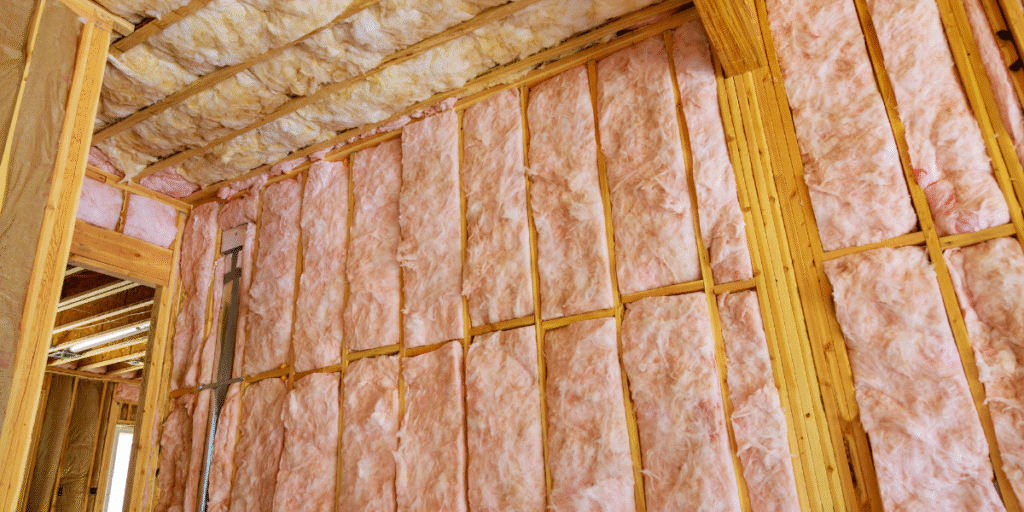
Budgets vary based on access, materials, and scope. A transparent plan ties insulation installation cost to measurable comfort and energy results.
Material Differences (Spray Foam, Cellulose, Mineral Wool, VIPs)
Each material offers a different balance of cost and performance. Clear insulation materials help align goals with the budget. Spray foam insulation costs more per inch but delivers air sealing in one step. Blown-in cellulose insulation often stretches budgets while improving coverage.
Labor, Accessibility & Existing Home Conditions
Tight attics, steep roofs, or blocked bays increase labor hours. Removal and disposal can affect the insulation installation cost on older homes. Complex structures call for experienced insulation installation teams. Expect added time for testing, sealing, and safe access.
Make Your Home Smarter & More Efficient
Reduce energy waste and lower your monthly bills with expert guidance. Schedule your free home efficiency consultation today.
Local Rebates, Tax Credits & Utility Incentives
Programs reduce upfront insulation installation costs for many households. Rebates often prioritize energy-efficient insulation and air sealing. Documented insulation installation and testing can improve eligibility. Savings help offset project totals within a few heating seasons.
Long-Term Value of Energy Efficient Insulation
Savings continue for as long as the home stands. Upgrades centered on energy-efficient insulation typically recoup costs in a few years. Lower loads reduce wear on equipment, which trims service calls. A careful look at insulation installation cost should include these life-cycle benefits.
Professional Installation vs. DIY
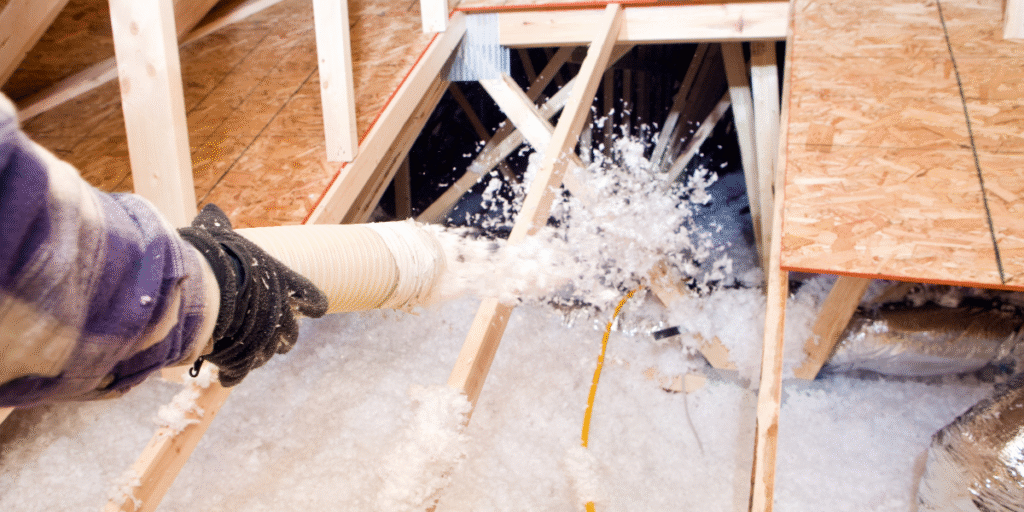
High performance depends on planning, safety, and quality checks. For complex homes, professional insulation installation with proven insulation techniques is the safer route.
Home Energy Audits & Blower Door Testing
Testing reveals the paths that air and heat prefer to take. Results guide insulation techniques that deliver targeted, energy-efficient insulation gains. Repeat testing verifies improvements after work is complete. Data turns guesswork into durable comfort.
Moisture Diagnostics & Ventilation Planning
Moisture can undo good work if left unmanaged. Crawlspaces and basements demand crawlspace insulation strategies that handle water. Pros use assemblies that dry to the right side in each season. These insulation techniques protect the structure and indoor air.
Make Your Home Smarter & More Efficient
Reduce energy waste and lower your monthly bills with expert guidance. Schedule your free home efficiency consultation today.
Proper Application for Maximum R-Value & Performance
Even great materials fail with weak workmanship. Professional insulation installation targets full coverage and stable density. An insulation materials comparison helps select methods that fit the assembly. Quality steps deliver steady gains in winter and summer.
How We Help Homeowners as Home Efficiency Experts
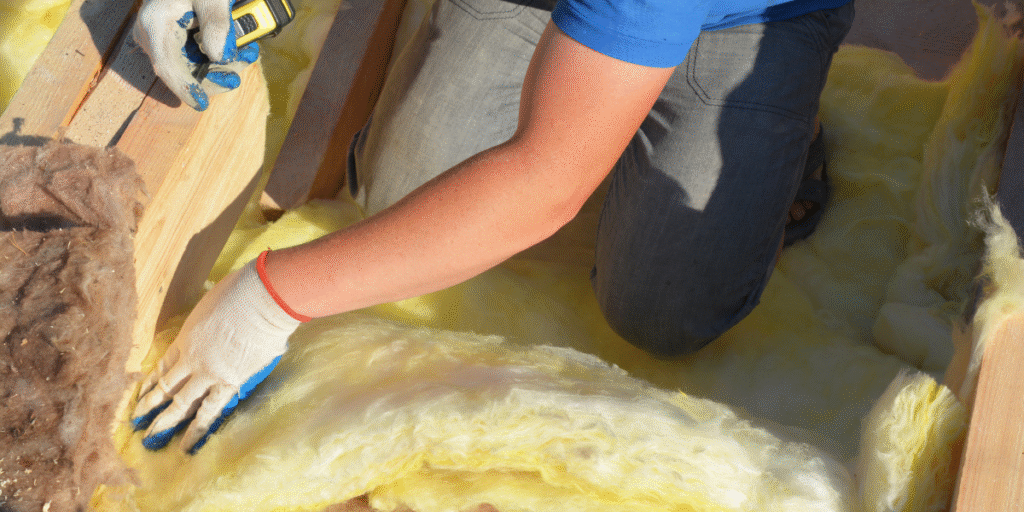
Home Efficiency Experts start with diagnostics, then design a plan that fits your home and budget. Our approach blends energy-efficient insulation, field-tested insulation techniques, and precise insulation installation for results you can feel.
Free Home Energy Assessments with Advanced Testing
We provide blower-door testing and infrared imaging for qualified homes. Findings guide solutions that deliver consistent, energy-efficient insulation benefits. Our process uses measurable insulation techniques to reduce waste. You get a clear scope before any work begins.
Complete Insulation & Air Sealing Solutions
Our crews install blown-in cellulose insulation, spray foam insulation, and foam board insulation with careful detail. We address attic insulation, exterior wall insulation, crawlspace insulation, and basement insulation for whole-home coverage. Air sealing closes the gaps that defeat good materials. This integrated approach stabilizes comfort through every season.
High-Efficiency HVAC & Heat Pump Upgrades
HVAC upgrades pair well with energy-efficient insulation that lowers loads. Balanced airflow and sizing complement the envelope improvements. With clear insulation techniques and sequencing, equipment runs smoother. The result is quieter comfort and better long-term value.
Helping Homeowners Maximize Rebates & Incentives
We navigate programs that reduce insulation installation cost and speed payback. Documented insulation installation unlocks better rebate tiers. Our proposals highlight insulation materials comparison insights for smarter choices. You get a plan that fits both comfort and cost goals.
Conclusion
Long Island’s climate asks a lot from homes, and the right plan delivers year-round comfort. By following insulation trends, applying smart insulation techniques, and investing in energy-efficient insulation, you can enjoy lower bills and calmer indoor conditions.
Ready to take the next step with Home Efficiency Experts? Book your assessment today to explore insulation installation, learn your insulation installation cost, and get a customized path to a tighter, more comfortable home. Our team is ready to help you compare options with a clear insulation materials comparison and integrate upgrades like spray foam insulation, blown-in cellulose insulation, foam board insulation, attic insulation, exterior wall insulation, crawlspace insulation, and basement insulation with confidence.
FAQ – Common Questions About Modern Insulation
A short reference to clarify key concepts behind modern solutions. Use this section to align choices with your home’s conditions and goals.
What is the new technology for insulation?
- We install VIPs, smart sensor-enabled systems, advanced mineral wool, and precision roofline sealing for space-saving, high-performance results tailored to your home.
What are the trends in the insulation industry?
- We focus on continuous insulation, airtightness, moisture-smart assemblies, and improved spray foam methods that boost comfort and cut energy waste.
What are insulation techniques?
- We use dense-pack cellulose, exterior continuous layers, targeted air sealing, roofline spray foam, and ICFs, sequenced from testing to installation for reliable gains.
What are the five types of insulation?
- We work with spray foam, blown-in cellulose, mineral wool, foam board, and fiberglass, selecting the right type based on your home’s moisture, space, and budget.
What is the highest quality insulation?
- We recommend closed-cell spray foam or VIPs for top R per inch, and mineral wool where fire resistance and sound control are priorities.
Is 100% insulation possible?
- Perfect insulation is unattainable, but we get close with airtightness, continuous layers, and careful installation verified by testing.